Photography Services Explained: What Makes a Service Professional
Photography services vary widely. Some providers focus only on taking pictures. Others manage planning, lighting, editing, and delivery with structured processes.
Understanding what photography services include — and what makes a service professional — helps businesses and individuals make informed decisions.
This guide explains photography services clearly and defines the standards that separate professional services from casual work.
Quick summary
Photography services include planning, shooting, editing, and delivering images for personal or business use. A professional photography service is defined by preparation, technical skill, controlled lighting, consistent editing, clear communication, contracts, and reliable delivery. Commercial photography specifically focuses on business and brand objectives.
What Are Photography Services?
Photography services involve more than pressing a shutter button.
A complete service usually includes:
- Pre-shoot consultation
- Location planning
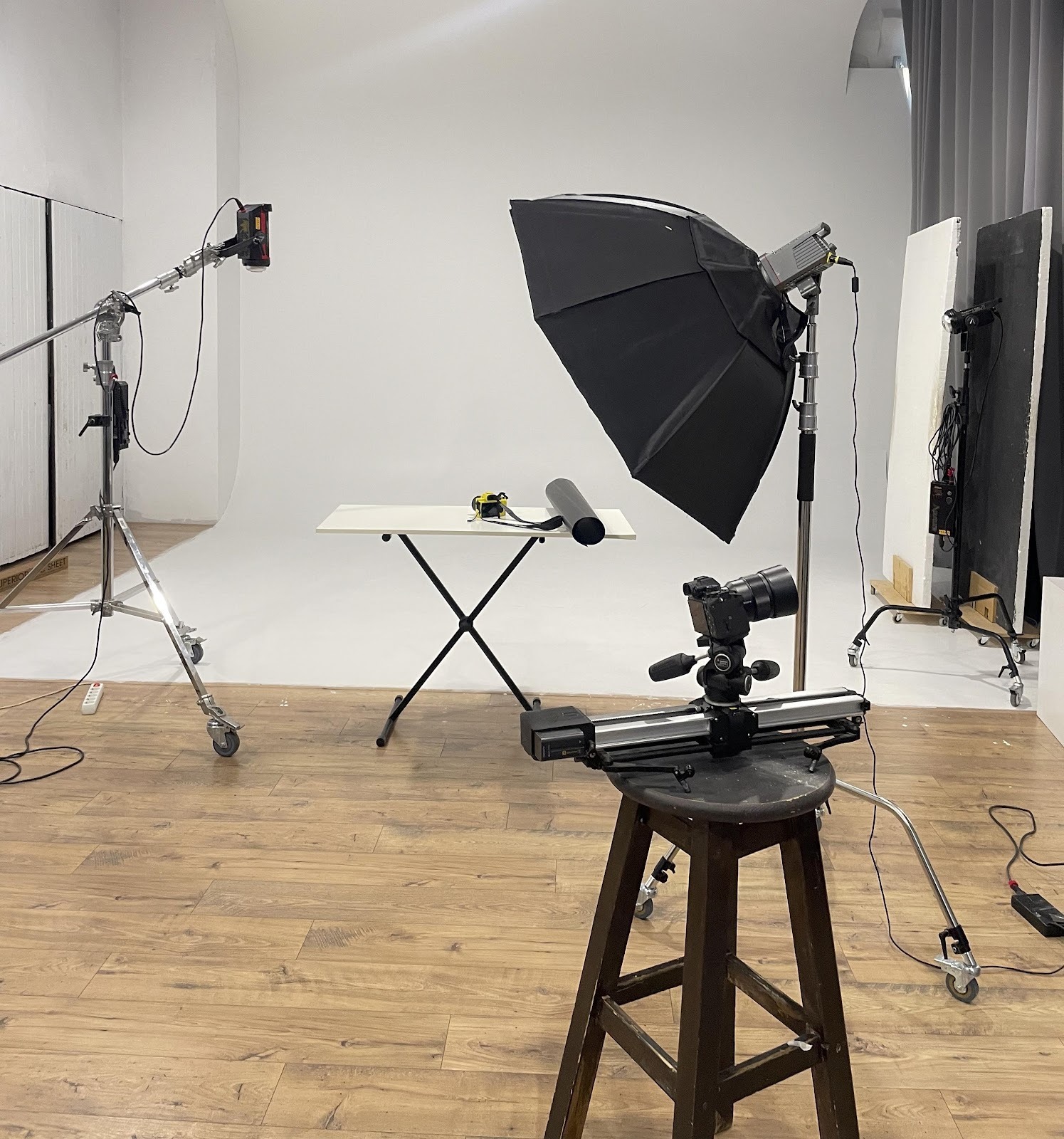
- Equipment setup
- Lighting control
- Image capture
- Post-production editing
- File delivery
Some projects also include:
- Creative direction
- Styling coordination
- Model sourcing
- Usage licensing
The scope depends on the purpose of the shoot. A personal portrait session differs from a commercial advertising campaign. However, structured workflow remains a defining factor of professional service.
Types of Photography Services
Photography services can be categorized by purpose.
Event Photography
Event photography covers live occasions such as weddings, corporate events, conferences, and private parties.
The photographer must adapt to changing lighting conditions and unpredictable movement. Timing and awareness are critical.



Portrait Photography
Portrait photography focuses on individuals or small groups.
This includes:
- Personal branding portraits
- Corporate headshots
- Family portraits
- Graduation sessions
Lighting control and posing direction are essential in this category.
Product Photography
Product photography highlights physical goods for e-commerce, catalogs, or marketing materials.
It requires:
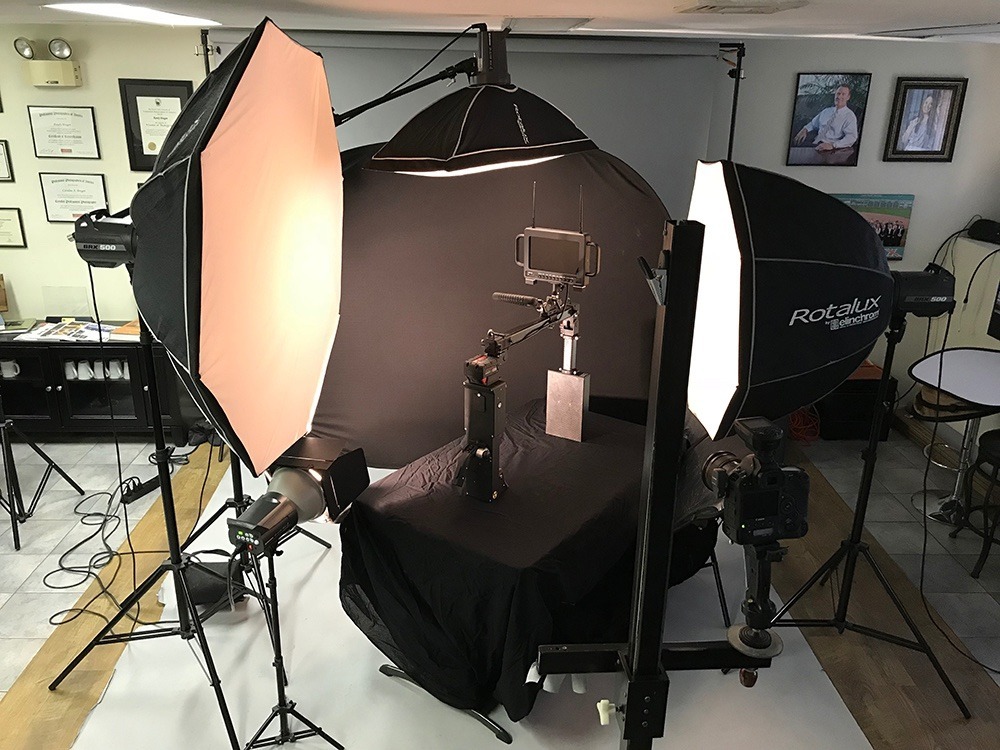
- Controlled lighting
- Clean backgrounds
- Accurate color representation
- Detail emphasis
Commercial Photography
Commercial photography serves business objectives.
It includes:
- Advertising campaigns
- Brand imagery
- Corporate websites
- Social media marketing assets
The focus is not only visual appeal but alignment with brand messaging and marketing goals.

Corporate Photography
Corporate photography supports internal and external communication.
Examples include:
- Executive portraits
- Office environment imagery
- Team photos
- Company events
Consistency and professionalism are essential because images represent brand identity.
What Makes a Photography Service Professional?
Professional photography is defined by process, not just equipment.
1. Structured Planning
Professional services begin with consultation.
This includes:
- Understanding purpose
- Identifying target audience
- Confirming usage type
- Setting timelines
Planning reduces uncertainty and improves results.
2. Technical Skill and Equipment
Professionals understand:
- Aperture control
- Shutter speed
- ISO management
- Lens selection
- Lighting positioning
Equipment alone does not guarantee quality. Technical knowledge determines how tools are used.
3. Controlled Lighting
Lighting defines image quality.
Professionals manage:
- Natural light
- Studio lighting
- Reflectors
- Diffusers
- Shadows
Inconsistent lighting often signals amateur work.
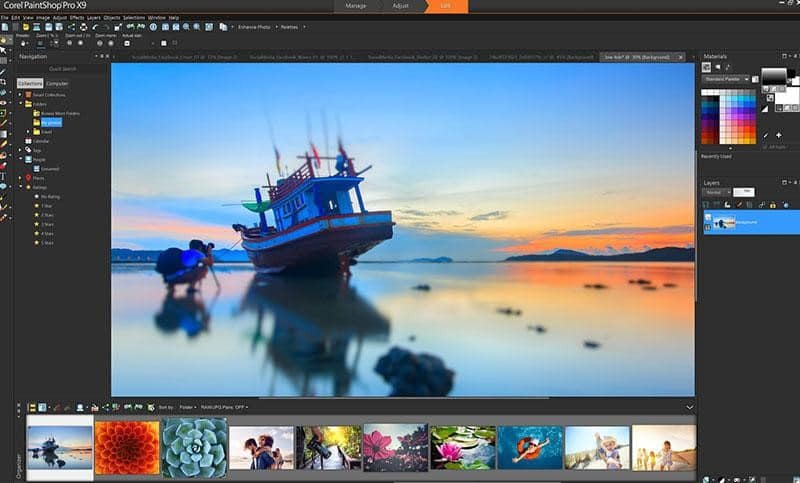
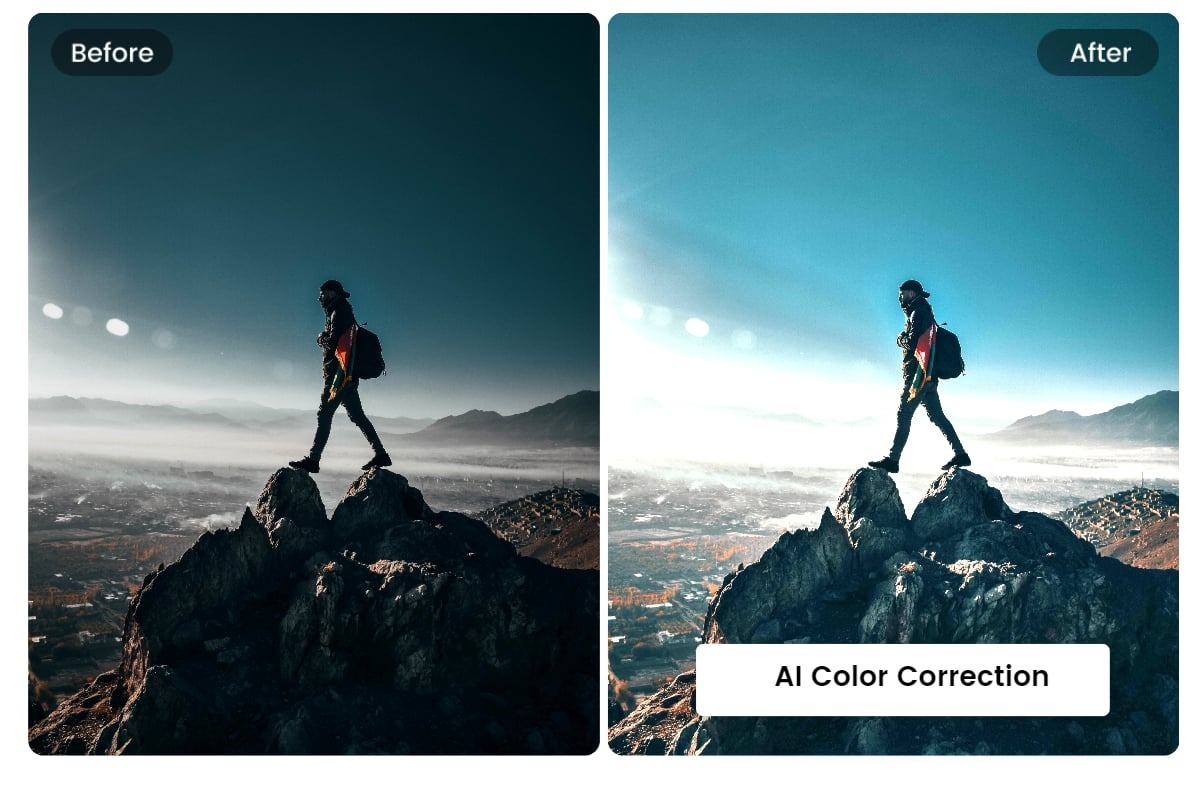
4. Post-Production Workflow
Editing is part of professional photography.
This includes:
- Color correction
- Exposure balancing
- Cropping and alignment
- Retouching when required
Editing should enhance clarity without distorting reality.

5. Consistency Across Portfolio
A professional portfolio shows consistent quality.
Indicators include:
- Balanced exposure
- Sharp focus
- Uniform editing style
- Clean composition
Inconsistent results suggest unstable workflow.
6. Clear Contracts and Deliverables
Professional services define:
- Number of final images
- Delivery timeline
- Usage rights
- Payment terms
Clear agreements reduce misunderstandings.
What Is Commercial Photography?
Commercial photography focuses on business outcomes.
Unlike casual photography, it is designed for marketing and branding purposes.
Its objectives include:
- Increasing product visibility
- Strengthening brand identity
- Supporting advertising campaigns
- Improving website presentation
Commercial photography often requires collaboration between:
- Creative directors
- Marketing teams
- Brand managers
- Production coordinators
Images must align with brand tone, audience expectations, and platform requirements.
For example, a product image for e-commerce differs from a lifestyle image for social media advertising. The purpose shapes execution.
How to Evaluate a Photography Service
Before selecting a provider, assess the following:
Portfolio Quality
Review multiple projects, not just highlight images.
Look for:
- Consistency
- Detail clarity
- Proper lighting
- Realistic color tones
Communication Process
Professional services respond clearly and outline steps.
Ask:
- What is included in the package?
- How long will editing take?
- What are the usage rights?
Clear answers indicate structured workflow.
Pricing Transparency
Pricing should match service scope.
Lower pricing may exclude:
- Editing time
- Extended usage rights
- Additional revisions
Clarity prevents disputes.
Experience With Similar Projects
A photographer experienced in commercial photography may not specialize in weddings, and vice versa.
Experience within the specific category improves outcomes.
When Professional Photography Is Necessary
Not all situations require advanced production. However, professional photography becomes essential when:
- Launching a new product
- Updating a corporate website
- Running advertising campaigns
- Hosting large-scale events
- Creating branded marketing materials
In business contexts, image quality directly affects perception.
Companies such as R2 Collective operate within structured creative production environments where consistency, branding alignment, and delivery standards define professional output.
Common Misconceptions About Photography Services
Professional photography is not defined by:
- Owning an expensive camera
- Applying heavy filters
- Offering low pricing
- Delivering images quickly without editing
Professional quality depends on planning, skill, and controlled execution.
Conclusion
Photography services include planning, execution, editing, and delivery. The difference between casual and professional service lies in structured workflow, technical precision, lighting control, consistent editing, and clear communication.
Commercial photography adds a business objective. It supports branding, marketing, and corporate identity through purposeful imagery.
When evaluating a photography service, review portfolio consistency, workflow clarity, and deliverable standards.
Professional photography is not simply about taking pictures. It is about producing reliable, high-quality visual assets aligned with specific goals.