


How to Take a Good Headshot at Home (Beginner Friendly)
This guide from R2 Collective explains how to take a good headshot at home using simple tools and natural light. It is written for beginners. No studio equipment is required.
A good headshot focuses on your face. It uses soft light, a clean background, and natural expression. The goal is clarity and professionalism.
This article explains each step. It does not cover advanced lighting setups or professional retouching.
Quick summary
To take a good headshot at home:
- Face a window for soft natural light.
- Use a plain wall as your background.
- Place the camera at eye level.
- Frame from mid chest upward.
- Wear simple, solid colors.
- Take multiple photos and choose the most natural one.
- Make small brightness and crop adjustments only.
These steps help you create a clean and professional headshot without studio gear.
What Makes a Good Headshot?
A headshot is a close portrait that shows your face clearly. It is often used for professional profiles, websites, or social media.
A good headshot includes:
- Sharp focus on the eyes
- Even lighting across the face
- A simple background
- Natural expression
- Proper crop from chest or shoulders upward
For portrait basics:
- What Is Aperture in Photography? Learn the Basics
- https://www.masterclass.com/articles/portrait-photography-tips
Internal reading:
- Commercial Photography Explained: Types, Examples, and Why It Matters
- How to Take Professional Portraits: A Full Guide
Step 1: Choose the Right Location at Home
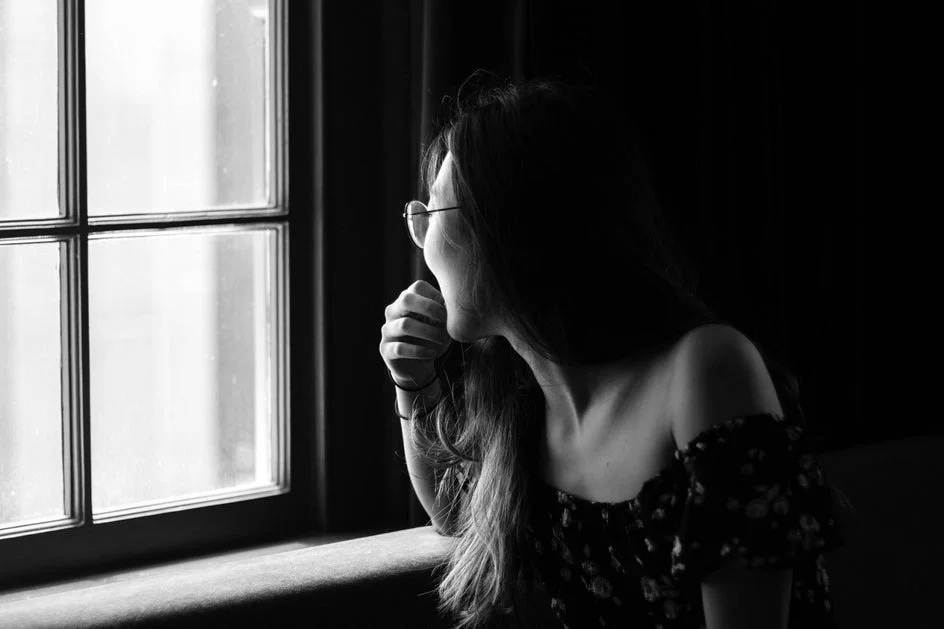

Use a window as your main light source.
Stand facing the window during the day. Avoid direct sunlight that creates strong shadows. Soft daylight works best.
Choose a plain wall as your background. White, gray, or beige works well. Remove visible clutter.
Do not stand with the window behind you. That creates backlighting and darkens your face.
Step 2: Set Up Lighting Correctly


Face the window directly or at a slight angle. Light should fall evenly across your face.
Avoid strong overhead lights. They create shadows under the eyes.
If one side of your face looks darker, adjust your position slightly. Small changes improve balance.
Step 3: Position the Camera Properly


4
Place the camera at eye level.
A low camera angle can distort your face. A high angle can look unnatural.
Stand about an arm’s length away. This reduces lens distortion, especially on smartphones.
Use a tripod, stable table, or shelf. Use the self timer or remote shutter if taking your own headshot.
Frame the photo from mid chest upward. Leave a small amount of space above your head.
Step 4: Dress and Prepare
Wear solid colors. Avoid large logos or busy patterns.
Neutral tones such as navy, gray, black, or white photograph well.
Check hair, collar, and posture before shooting. Stand upright with relaxed shoulders.
Simple clothing keeps attention on your face.
Step 5: Take the Photo
Take multiple photos. Small differences in expression matter.
Keep your expression natural. A slight smile often works well.
Keep your face mostly toward the camera. Avoid extreme angles.
Review images on a larger screen if possible. Choose the photo with sharp eyes and relaxed expression.
Step 6: Simple Editing for a Professional Headshot
Make small adjustments only.
You may:
- Crop for better framing
- Slightly increase brightness
- Adjust color balance if needed
Avoid heavy filters or strong skin smoothing. The image should look natural.
Editing help:
- https://helpx.adobe.com/lightroom-cc/how-to/edit-portraits.html
- https://support.apple.com/en-us/HT207529
Common Mistakes to Avoid
- Standing with the window behind you
- Using cluttered backgrounds
- Placing the camera below eye level
- Using harsh overhead lighting
- Over editing the image
These reduce clarity and professionalism.
What This Guide Does Not Cover
This beginner guide from R2 Collective does not include:
- Studio lighting equipment
- Advanced retouching
- DSLR lens selection
- Commercial usage licensing
These require separate explanations.
Conclusion
You can take a good headshot at home with natural light, proper framing, and simple adjustments.
Focus on clear lighting, eye level camera placement, and natural expression.
For more foundational guides:— R2 Collective


