


How to Make a DJ Playlist for a Party That Keeps People Dancing
Planning music for a party is not about picking popular songs at random. A strong DJ playlist follows a clear structure. It builds energy, responds to the crowd, and keeps people moving without burning out too early.
This guide explains how to make a DJ playlist for a party using a step by step method.
Quick summary
To make a DJ playlist that keeps people dancing, define your audience first. Then plan an energy curve from warm up to peak hour. Group songs by tempo and mood. Organize tracks by BPM for smooth transitions. Leave space to adjust based on crowd reaction.
Step 1: Define the Party Type and Audience
Before choosing music, define three things:
- Type of event
- Age range of guests
- Event duration
A wedding playlist differs from a corporate event playlist. A 21st birthday party differs from a 40th birthday party.
Age range matters because music memory shapes dance response. Guests often respond faster to songs they recognize from their teenage and early adult years.
If the party runs four hours, your playlist must support gradual energy growth. If it runs two hours, the build needs to happen faster.
Do not choose songs before answering these questions.
Step 2: Plan the Energy Curve
A dance floor does not stay full from the first minute. Energy must rise in stages.
Typical structure:
- Warm up
- Build phase
- Peak hour
- Controlled closing
During warm up, mid tempo songs help people enter the space comfortably. Energy should feel inviting, not intense.
During the build phase, increase tempo and familiarity. This is when more guests join the dance floor.
Peak hour includes the strongest, most recognizable tracks. This is when the floor is full and transitions must be tight.
The closing phase reduces intensity slightly but keeps rhythm steady.
Energy planning prevents playing the biggest songs too early.
Image: Example energy curve timeline

Step 3: Choose the Right Music Categories
When asking what type of music can your DJ play, the answer depends on the audience and event style.
Common categories used in party playlists:
- Open format mixes
- Hip hop
- EDM
- Afrobeats
- Latin
- Throwbacks from specific decades
- Pop and current chart music
The key is not variety alone. The key is compatibility. Songs must connect rhythmically and emotionally.
If guests respond well to early 2000s R&B, expand within that lane before switching genres. Sudden changes break dance momentum.
Choose categories that allow gradual movement across tempo and style.
Step 4: Organize Songs by BPM and Compatibility
BPM means beats per minute. It measures tempo. Most dance music ranges between 95 and 130 BPM.
Sorting tracks by BPM allows smoother transitions. Moving from 100 BPM to 102 BPM feels natural. Jumping from 100 to 128 BPM can feel abrupt unless planned carefully.
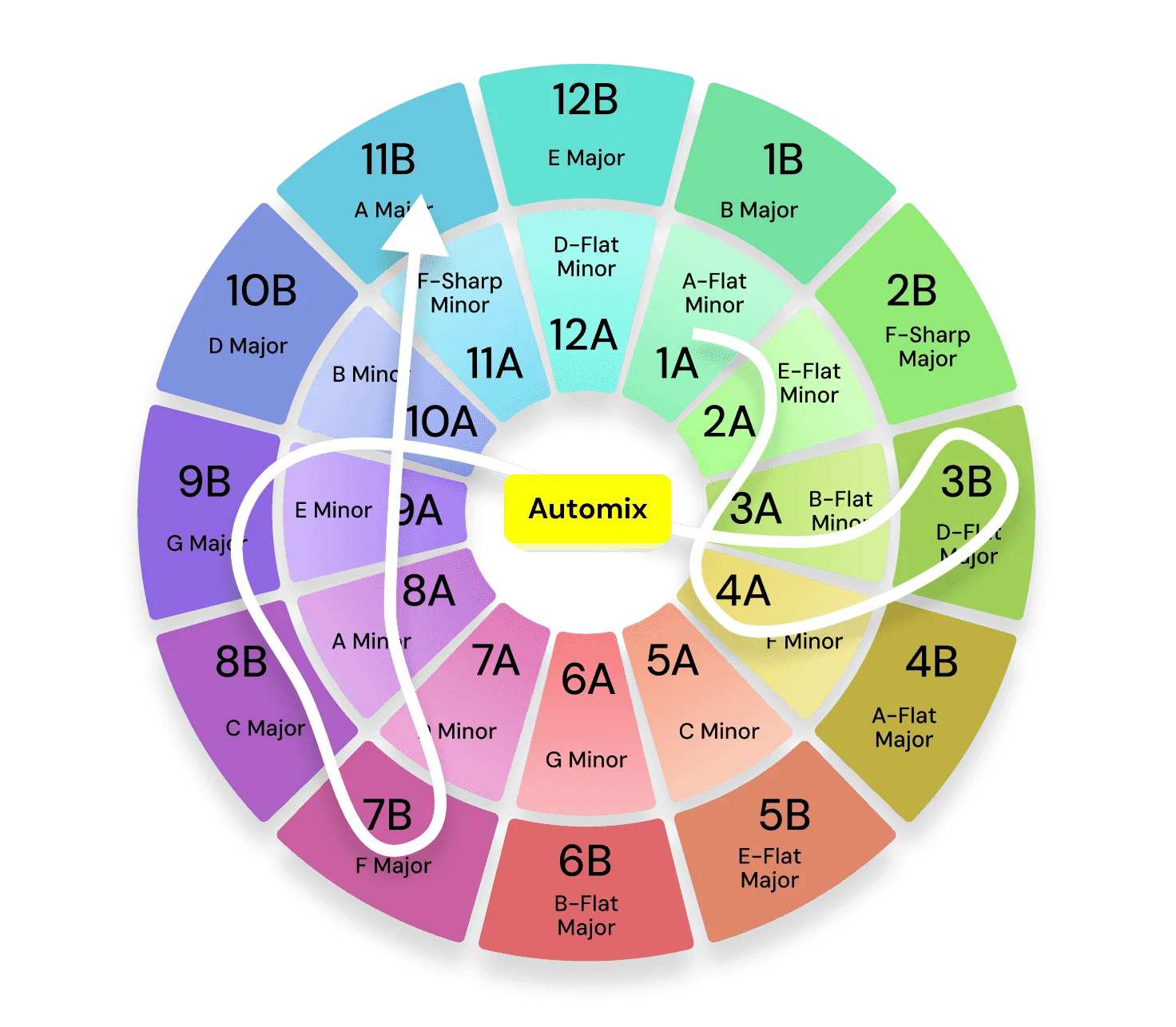
Many DJ software systems sort songs by tempo and key. Key compatibility helps prevent clashing melodies during transitions.


Group songs into small clusters:
- 95 to 105 BPM
- 105 to 115 BPM
- 115 to 125 BPM
This makes building energy easier.
Step 5: Leave Room for Crowd Response
A playlist is a structure, not a fixed script.
Watch the dance floor:
- Are people singing along?
- Are they leaving during certain styles?
- Does energy rise or flatten?
If guests react strongly to one genre, stay within it longer. If energy drops, adjust tempo or switch to a more familiar track.
Flexibility keeps the floor active.
Image: Packed dance floor during peak moment


Common Mistakes That Empty the Dance Floor
- Playing peak songs too early
- Ignoring age range
- Staying in one tempo too long
- Switching genres without transition logic
- Overplanning without flexibility
Each mistake disrupts energy flow. A strong playlist focuses on progression, not randomness.
When to Work With a Professional DJ
Creating a playlist yourself works for small gatherings. Larger events require more control.
A professional DJ manages:
- Real time crowd reading
- Smooth tempo shifts
- Sound balance
- Transition timing
Teams such as R2 Collective structure playlists around event type, guest profile, and venue size. The focus remains on maintaining consistent dance energy.
If your event has a mixed age group or formal program segments, professional support helps maintain flow.
External Resources for Deeper Understanding
- Basic explanation of BPM and tempo from educational music resources
- Guides on harmonic mixing principles
- Studies on tempo and movement response
- Music psychology research on familiarity and dance behavior
- DJ software documentation for track organization
- Articles explaining set progression in live events
These sources support the principles explained in this article.
Suggested Further Reading
- How to plan music for a corporate event
- Why DJs Are Essential for Wedding Receptions
- Is a Band or DJ Better for a Wedding? Honest Guide
These topics explore specific event formats in more detail.


